Why does everything look the same?
Culture decoded: the death of obscurity through cultural homogenisation

This is the companion piece to what happens to culture when nothing can stay underground?
What is cultural homogenisation?
“Cultural homogenisation is the process where distinct local cultures diminish and become increasingly similar, often merging into a uniform, dominant global culture. Driven by globalisation, international trade, and media, this phenomenon reduces cultural diversity, causing unique traditions, languages, and customs to be replaced by standardised Westernised norms.”
As Capitalism has accelerated and technology has developed exponentially we are now experiencing the effects of homogenisation faster and further than ever. There’s a mass loss of identity. Social media spreads the same values globally, nudging diverse populations toward similar lifestyles
One of the biggest effects of global shared ideals and tastes is that everything is starting to look the same!
We are losing obscurity, and without obscurity, culture can’t thicken into something meaningful.
Homogenisation isn’t caused by a lack of difference, but by too much shallow exposure to it.

The death of obscurity / detail
When was the last time you saw something truly weird and whacky visually on your everyday commute?
The amount of imagination and intricacy put into the design of everyday functional objects is fading as technology reduces the need for it. Devastatingly, craftsmanship is being replaced by convenience. The result may appear to be simplicity and ease, but it’s rewiring our collective creativity and dulling our experience.
I’ve always cared about aesthetics, because how things look shapes how things feel. Caring for the senses, making your environment beautiful to you, enhances not just the moment but your overall wellbeing.
This venusian way of relating to the world is totally interrupted by modern minimalism.
Design has begun to imitate capitalist values: efficient, productive, and not inviting people to slow down and appreciate beauty. We see this in the loss of detail in everything from cars to door handles, but also in websites, brands, and taste more broadly. Look at how boring the Tesla car is. Modernisation has led to the most ergonomic version of things, the beiger the better, so nothing distracts you from being productive, and god forbid nothing holds your attention long enough to inspire you to create art from it, so its kept boring and palatable. Environments that feel flat and uninspiring create emotional creative hunger, this hunger is uncomfortable and can be easily distracted from by spending more money and consuming more content to try to fill the void.
This lack of beauty and humanity in design produces what Marc Augé describes as Non-places. These are liminal spaces like supermarkets, train stations and airports. Public spaces that you’re not meant to stay in for long, they used to be mediated by people but now have been replaced by financial capital, run through systems and algorithms. They radiate illusive vibes. A depth of social life that would usually fill these spaces is missing so the more people spend in non-places, the more they begin to long for recognition.
This is why identity-signalling feels so exaggerated now. If you’re not being seen in your external environments, you start to construct ways to be seen more immediately. Identity gets signalled as quickly as possible through the adoption of fashion trends, internet words, or archetypes, seeking recognition rather than allowing your identity to unfold slowly through lived experience and self-inquiry. Rather than just being.
Even language has become boring. Everyone knows ai cant be creative but the outsourcing LLMs to write your emails or worse market your brand means the same boring structure of writing styles are repeated and embedded in culture, the LLMs articulate language as simply and repeatably as possible. In this mass optimisation, we lose unique sentence structures and varied language and so we lose richness and daily poetry. We are at risk of losing the kinds of beautiful phrases that can only be created from an inner translation of human experience. The art of writing as an act of internal translation is beautiful and irreplaceable as it makes you feel. Ai could never make you feel.
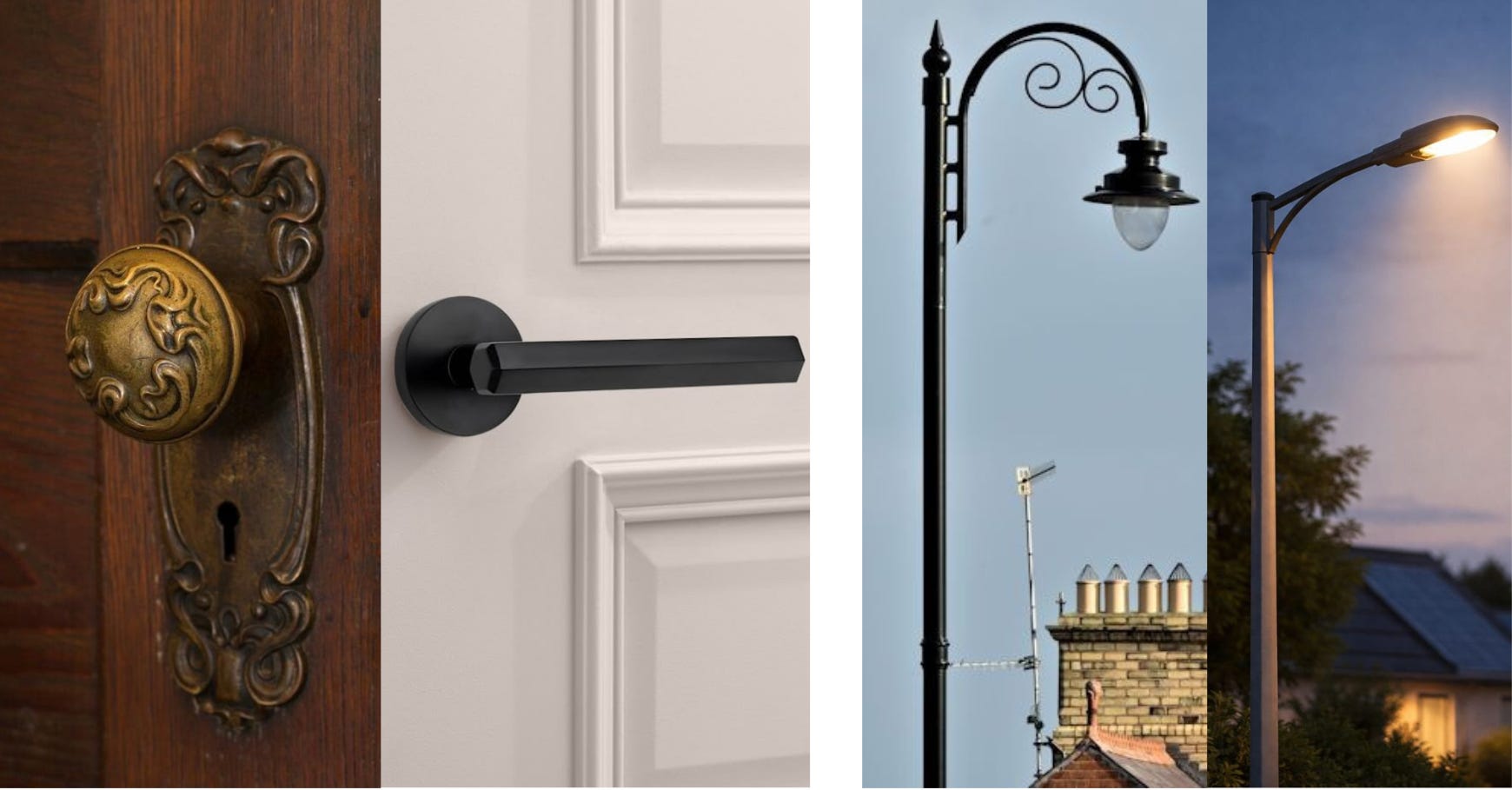
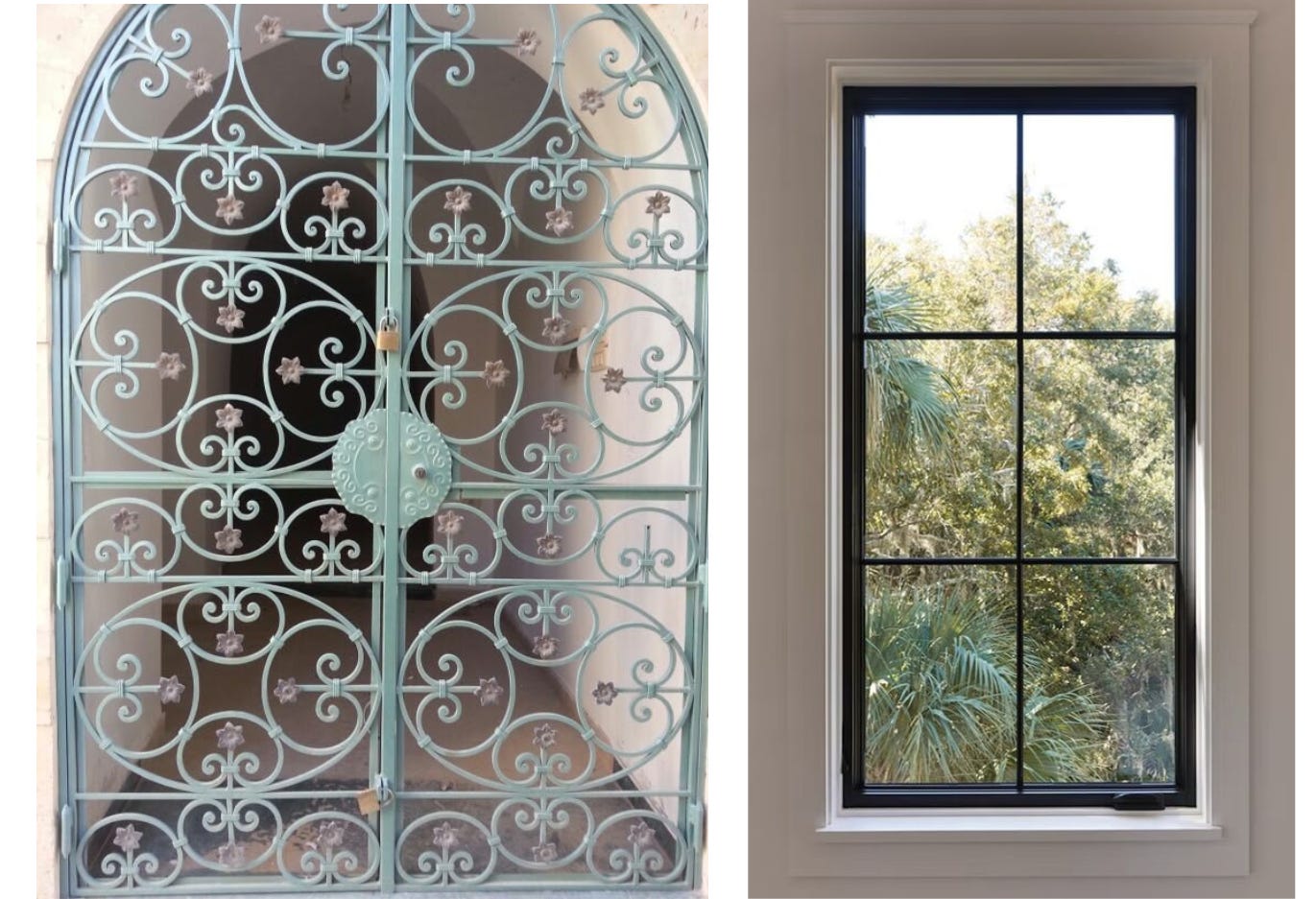
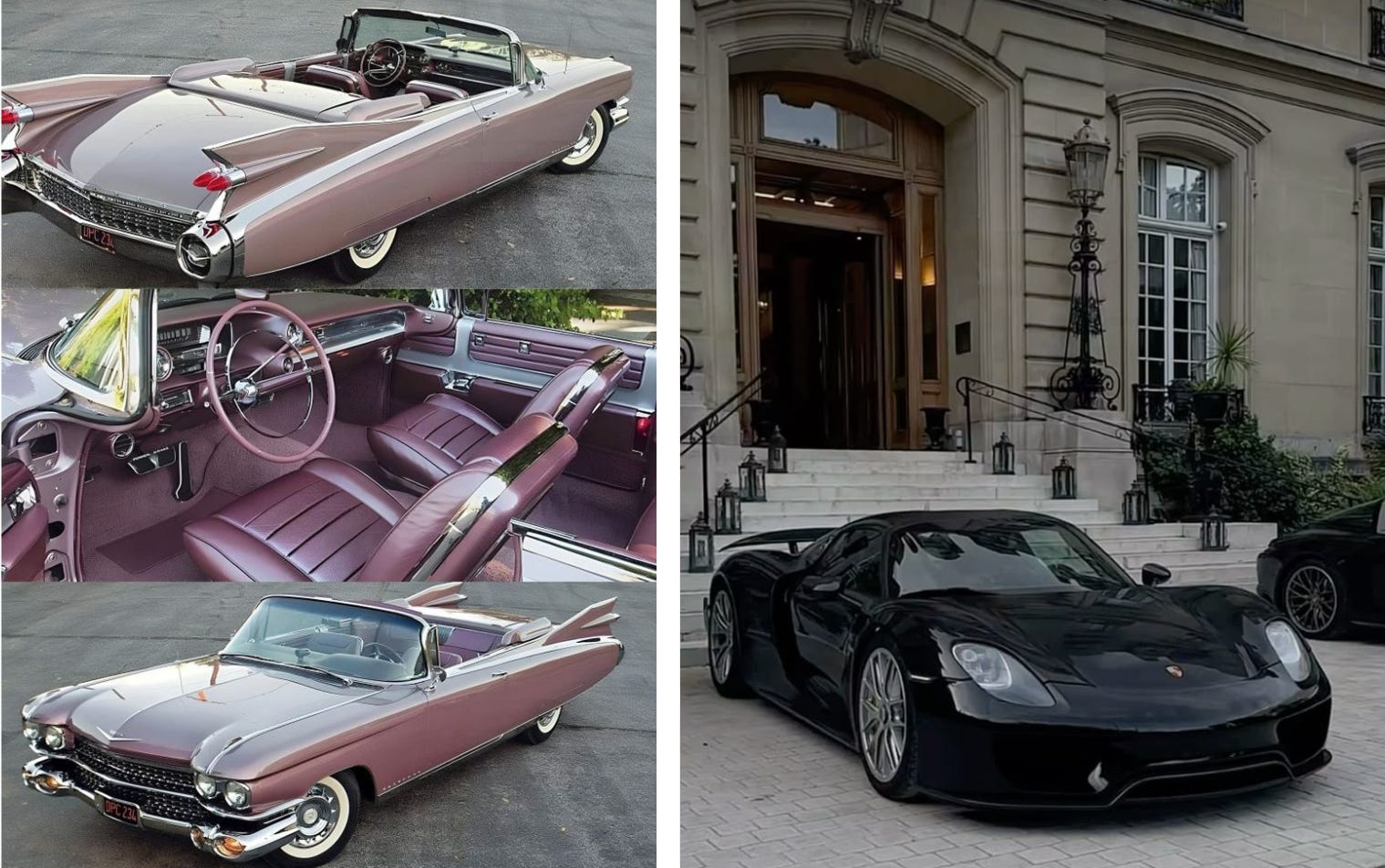
I invite you to notice which image holds your attention. I feel the older verison’s have their own personality that intrigue me, I want to know more about where they are from and what inspired their look. Whereas the modernised doesn’t say anything to me beyond their function. When someone describes a house as full of character, they’re usually pointing to a sense of experience, something intangible and expressive, a feeling of being lived in. When everything is neutral and minimal, there is an avoidance of expression altogether.
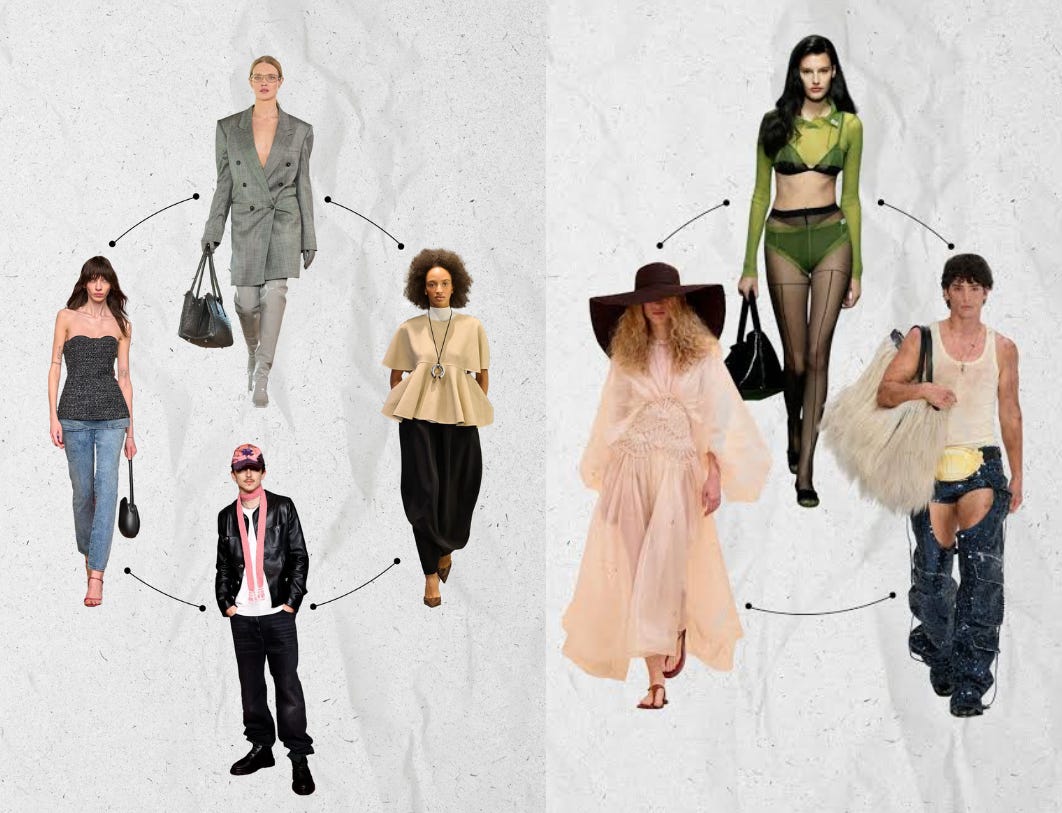

Flattened fashion
We see this pan out differently in fashion. Yes its clear fashion emulates political conditions, so in the rise of conservatism we see clean girl and classy girl fashion. From a larger perspective fashion isn’t singluarly driven by a push of homogenous values but is becoming driven by expressing individuality. Because everything looks the same, to be outside of the norm doesn’t feel possible anymore. As explored deeply in my subculture essay, people are so quick to be branded, so being alternative is now an identity you can easily perform. Take tattoos, for example. Before they were widely popularised, older generations often associated them with criminality. Having one said something about the kind of person you were, someone who rejects convention, someone who might never get a job. Now they’re extremely common and say almost nothing about your status.
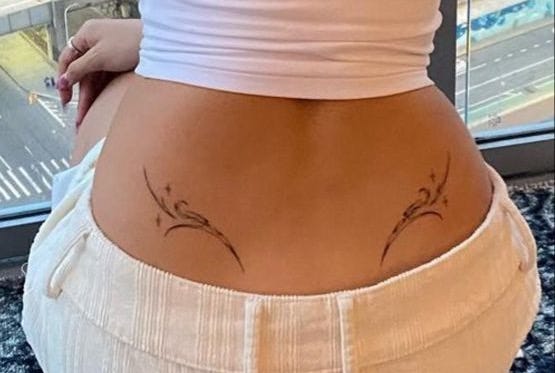
I think this is more to do with digitalisation, which I touched on in my original essay. Due to the rapid pace of consumption, style is something chosen more consciously rather than curated over a long period of time. Fast fashion and even second-hand apps like Vinted have accelerated access to buying clothes, and if you always have new stuff, you can’t develop style. It’s in the styling of what you already own that you cultivate taste that cannot be easily replicated.

Cultural flattening
As cultures become more connected globally, and at the same time more tightly defined at a national level, people’s tastes start to narrow. Local differences fade, and the more distinct, varied ways people once expressed themselves or related to the world become less visible.
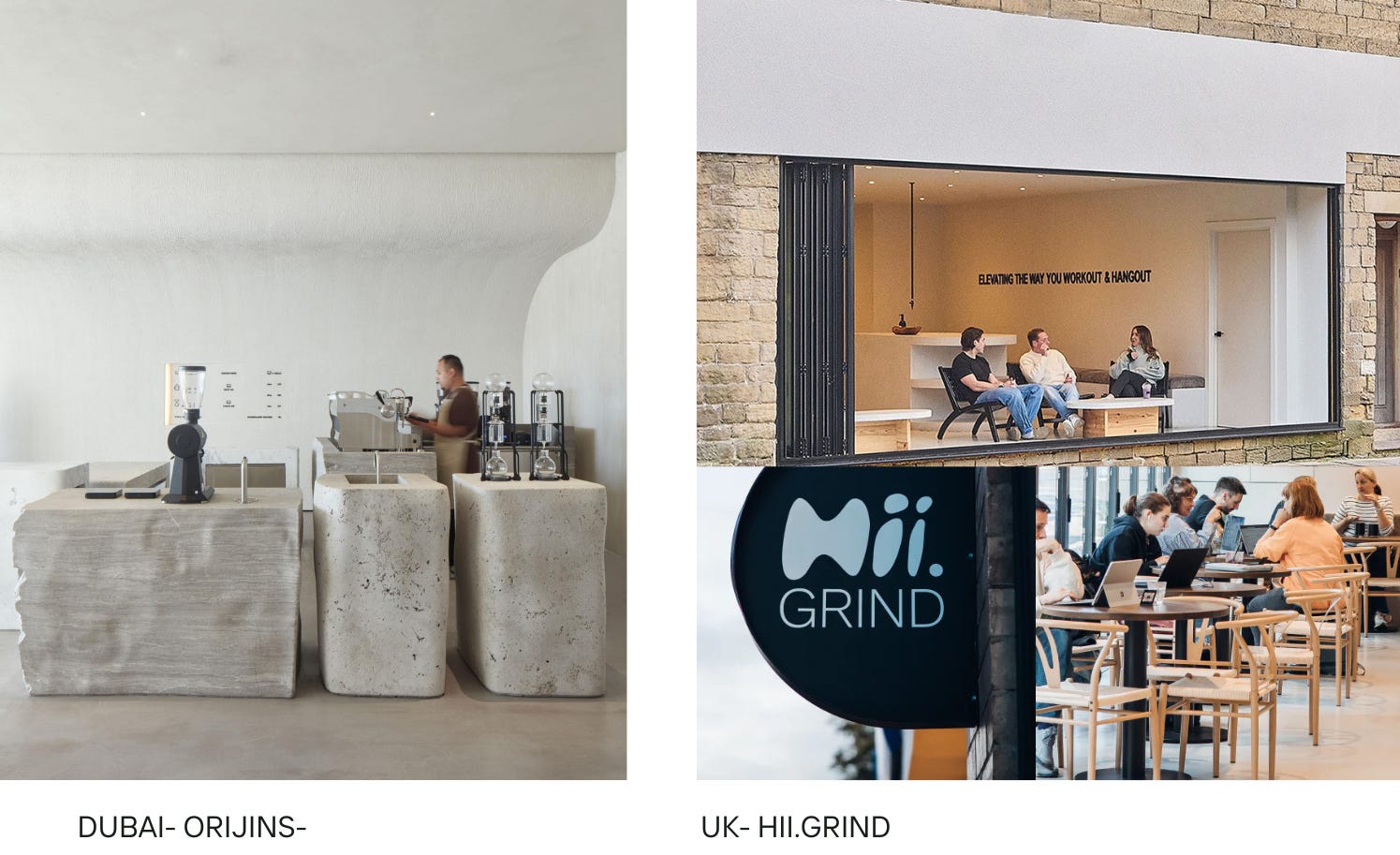
I saw an Instagram post recently (I’ll find the reference and add it in) that spoke about how this same force of cultural sameness is flattening unique cultures by making newly gentrified areas all have the same types of wine bars, small plates menus, cafés and offers. And while they might be independent, they remove the history of the place rather than build on it. Because globalisation is driven by western nations, this also has the effect of westernising the world.
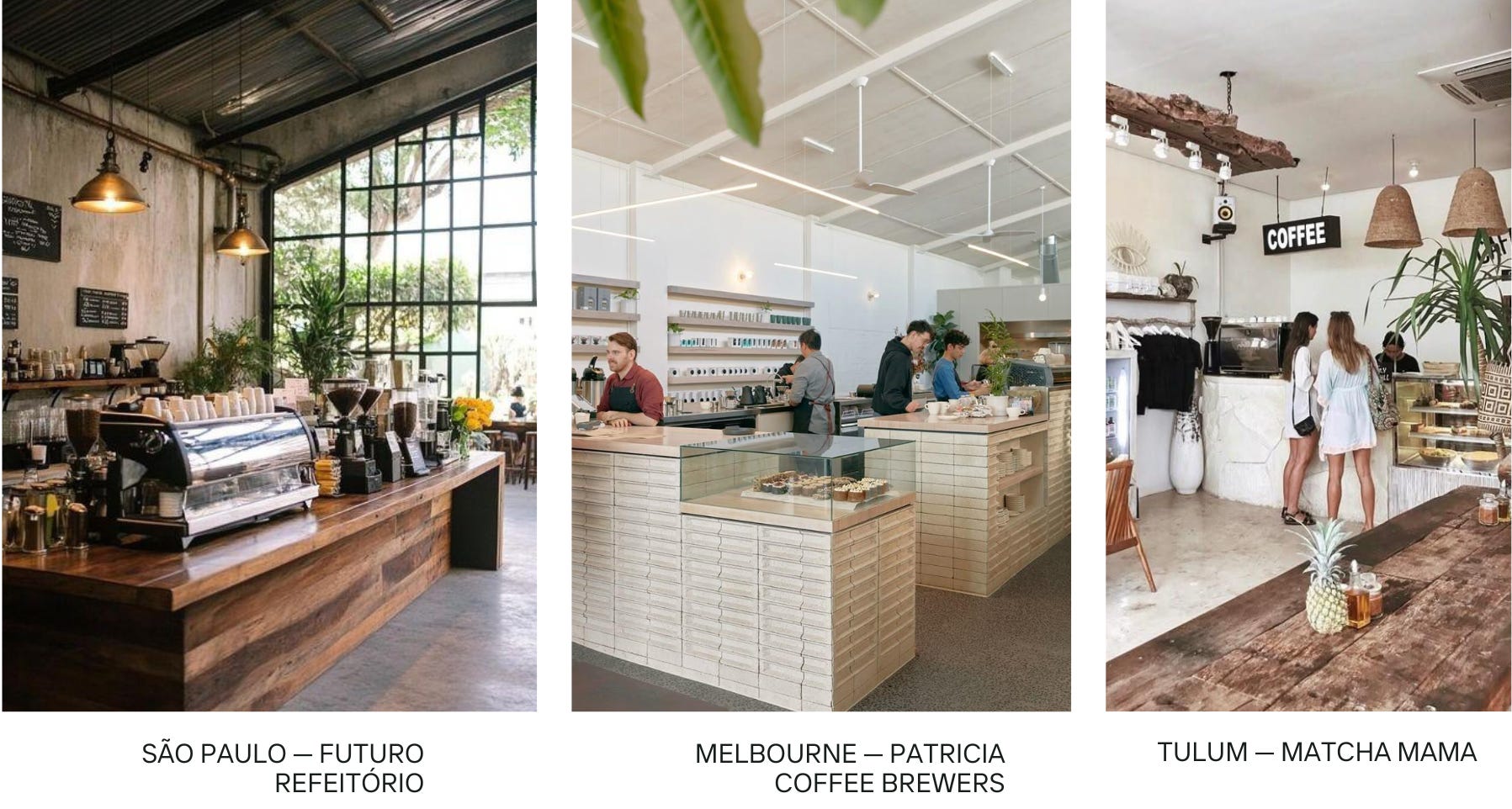
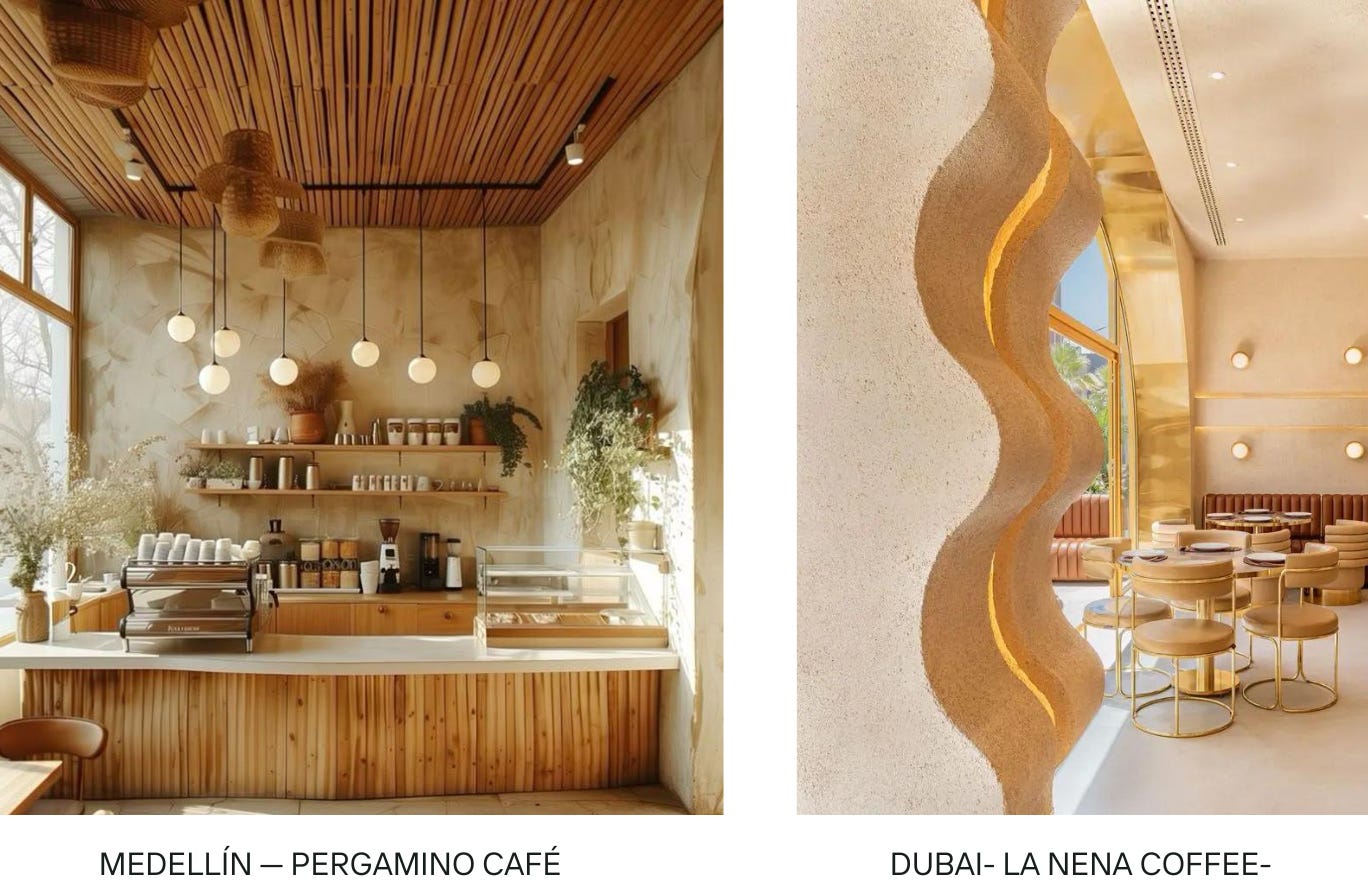
For example, the Aussie coffee shop, all white, clean and healthy, can now be found in masses of replicas. You wouldn’t be able to tell if you’re in Colombia or Indonesia. The same cafés, the same bars, the same sushi restaurants across all the trendy areas wherever you go. It’s why you hear people talking about going somewhere before it’s ruined, ruined meaning commercialised/westernised basically stripped of what made it culturally distinct in the first place.
Culture isn’t just the heritage, its the collection of human experiences that linger through the ways a place is ornamented, lived in and related to, these histories and stories are not able to be replicated in the same way a performance of them is.
A gallery of different worldwide cities, same café…
Faces / people
After space, after style, the body becomes the next site of sameness.
In the west, people have run out of things to homogenise, and it’s led to the sameness of physical appearance.
A new symbol of status in modern society is a symmetrical face that adheres to “beauty standards”. This mass augmentation of our faces has led to a population of people who all have the same desired “look”, the homogenisation of faces. That comes from who? These standards push a western, small-nosed, small-featured image, reducing non-western features as undesirable. Many of these standards are direct results of the patriarchy, where women live in a culture of mandatory thinness, taught not to take up space physically or intellectually.
This can be seen in the changing norms. Enhancements are no longer exceptional, they’re expected. Self-improvement begins to blur into something closer to optimisation, even trans-humanism, where the aim is not expression, but refinement toward a shared ideal.

Embrace your obscurity
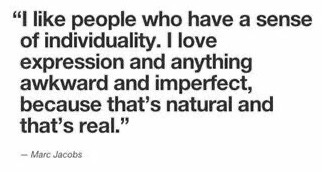
While everything does look the same. You can still choose to embrace your own intricacies. Like a building or design you can choose to be detailed, you can follow intricacies that interest you and through actively choosing to spend time among things that spark you, you become a channel of expression for them. Invite space into your life for you to be inspired by things. Create immaterial meaning rather than exclusively sourcing it from the physical realm. Be comfortable expressing without immediate understanding. If so much of the speed of cultural flattening comes from a deeper desire to be recognised, begin by slowly recognising yourself. Originality can only arise from curiosity and feeling safe in your expression.
Would love to continue the conversation on this topic in the comments, any further insights, perspectives or examples in your life where this shows up.
Thanks a lot for reading! If you enjoyed, I post weekly on culture, creativity and self-inquiry. Reach me ninavincentx@outlook.com or @ninavincennt on instagram.
Peace and love, Nina x
Yes! Every word of this. I’ve been calling it monoculture - an era of sameness.
this is so true!! there are so many cafes in london that look EXACTLY the same despite being in really varied neighborhoods. the one thing they all share is that they’re being built in areas that are/becoming gentrified. really interesting reading! can’t wait to read more of your work :))